
Symptom review
Track changes in breathing, pain, energy, sleep or other symptoms related to your condition.
Community-focused primary and allied health care
View clinic information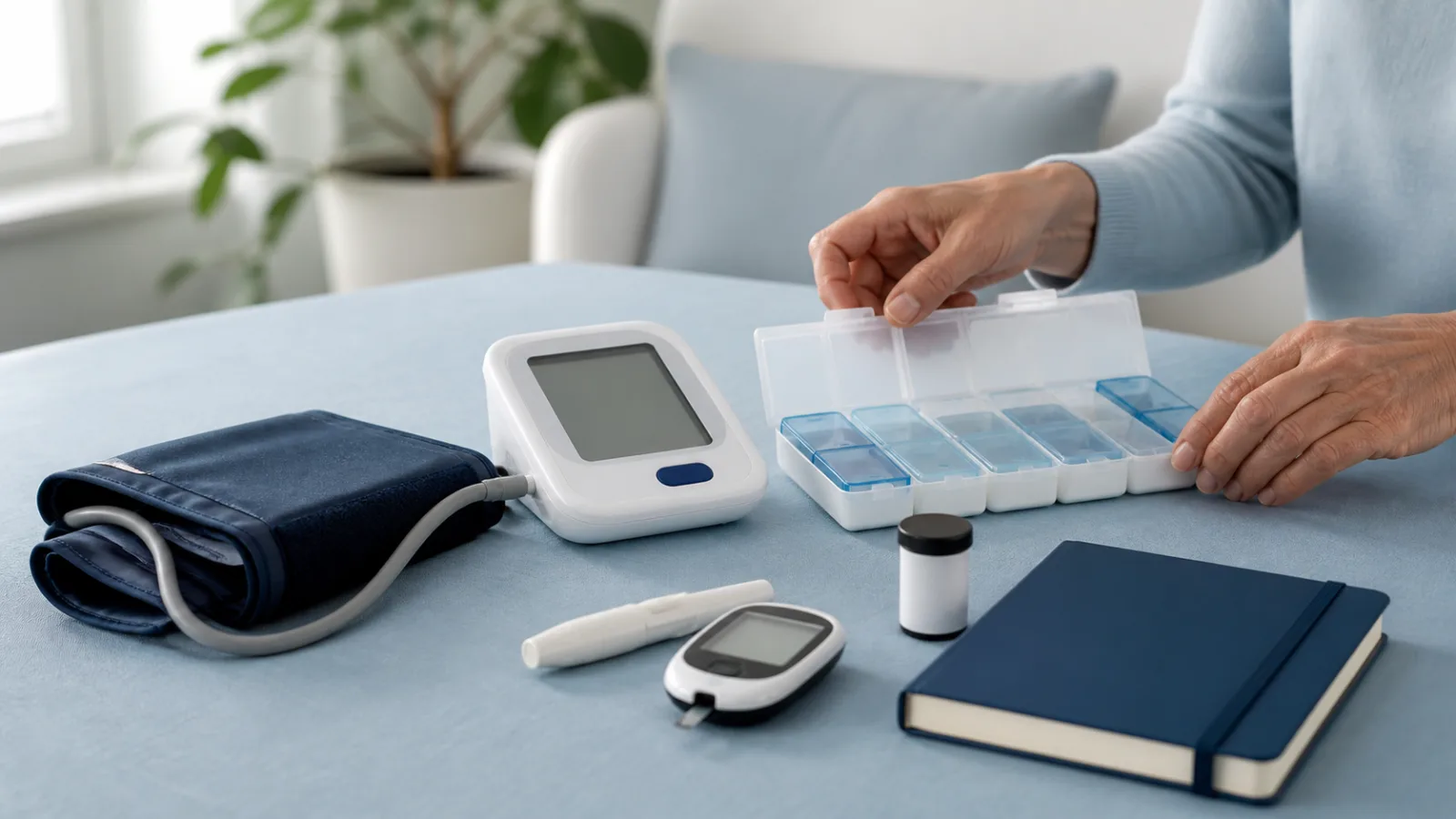
Steady support for long-term health
Access chronic disease management in Toronto to monitor an ongoing condition, review treatment and make practical plans for daily health.
Follow symptoms, readings, treatment response and health changes over time.
Build practical priorities around your condition, daily life and preferences.
Coordinate medications, testing, prevention, referrals and follow-up.
Do not wait for routine follow-up when symptoms are rapidly worsening.
Consistency that supports progress
Chronic disease management can support people living with diabetes, high blood pressure, asthma and other ongoing conditions through planned monitoring, medication review and practical care goals.
Long-term care is rarely about one result or one appointment. Your clinician looks at trends, treatment response, side effects, preventive needs and the barriers affecting daily care, then works with you on an appropriate next step.
More than a single measurement
Your follow-up plan depends on the condition, current stability, treatment, complications, personal priorities and other care you receive.
Track changes in breathing, pain, energy, sleep or other symptoms related to your condition.
Review useful patterns in blood pressure, glucose, peak flow, weight or other requested readings.
Discuss effectiveness, side effects, missed doses, interactions, cost or difficulty following the plan.
Arrange and review investigations used to monitor the condition, treatment and complication risk.
Connect chronic care with immunizations, screening and protection of heart, kidney or lung health.
Choose realistic steps related to food, movement, sleep, smoking or substance use.
Make room for stress, burnout, mood and the emotional work of living with an ongoing condition.
Connect recommendations from specialists, pharmacists, therapists and other care providers.
A continuous care cycle
Progress is not always linear. Regular review helps the care plan respond to changing health, treatment effects and what is realistic in daily life.
Bring symptoms, readings, medication details, results and updates from other providers.
Look at what is stable, what has changed and whether current goals still make sense.
Discuss safe changes to treatment, monitoring, daily habits or additional assessment.
Confirm next steps, warning signs and when results or progress should be reviewed again.
Prepare for follow-up
You do not need perfect records. Bring what you have and be honest about what is difficult—the plan should work with your circumstances.
Include prescriptions, non-prescription products, supplements, allergies and recent changes.
Bring a written log, device report or app summary and note unusual circumstances.
Record meaningful changes, missed doses and what is getting in the way of the plan.
Bring relevant results or instructions from specialists, hospital visits or other providers.
When your health changes
Ask your clinician which symptoms are expected, which need an earlier appointment and which require urgent or emergency care.
Review trends, medications, tests, goals and prevention according to your ongoing care plan.
Request follow-up →Contact the clinic or an appropriate service when symptoms worsen, readings change or treatment causes concern.
Explore timely clinic care →Major breathing difficulty, severe chest pain, stroke signs, loss of consciousness or other danger cannot wait.
Call 911 or go to an emergency department.Unsure where to seek care? Visit Ontario Health811 or call 811 for health advice and navigation.
Do not wait for routine follow-up
Call 911 or go to the nearest emergency department for major breathing difficulty, persistent severe chest pain, loss of consciousness, new confusion, signs of stroke, uncontrolled bleeding or another potentially life-threatening concern.
Use the escalation plan from your care team when symptoms change, and emergency services when there is immediate danger.Chronic-care FAQs
Follow-up schedules, monitoring and treatment targets depend on the condition and your individual care plan.
View all clinic FAQsTiming depends on the condition, current stability, treatment changes, results and risk. Your clinician should explain the recommended interval and what should prompt an earlier visit.
Bring readings if your care team asked you to monitor. Ask which measurements are useful, how often to take them and whether to bring your device for review.
Follow the written plan provided by your clinician. Do not start, stop or adjust prescribed medication unless you have been given specific instructions or appropriate clinical guidance.
Bring specialist notes and updated instructions when available. Primary care can help connect recommendations, monitoring and medication lists, though specialist follow-up may still be required.
Ask your care team for condition- and medication-specific sick-day instructions. Contact an appropriate service promptly if you cannot follow the plan, cannot keep fluids or medication down, or symptoms are worsening.